By BJ Ross
November 2, 2026
A fence does more than mark the edge of a property. It can help discourage unwanted access, give children and pets a defined outdoor area, and create privacy from nearby streets or neighboring yards. Local fence contractors can evaluate the property, discuss its security priorities, and install a barrier suited to the terrain, intended use, and appearance of the surrounding space.
A fence should serve a clear purpose while fitting the property’s layout and long-term needs. Thoughtful planning helps property owners weigh material choices, access points, upkeep, and local requirements before work begins. Whether the goal is to define a backyard, secure a business perimeter, or replace a damaged enclosure, professional guidance can make the investment more practical.
Strengthening Property Boundaries
A clearly defined perimeter makes it easier to distinguish private areas from public or shared spaces. Fencing can discourage casual foot traffic, direct visitors toward designated entrances, and make boundaries more visible to neighbors and passersby. For commercial properties, a fence can help separate work areas, storage zones, parking spaces, and customer access points. Local fence contractors can assess how the property is used and recommend a layout that makes those boundaries clear without creating unnecessary obstacles.
A fence should follow the intended property line while accounting for gates, walkways, and practical access needs. Property owners may need to confirm legal boundaries and check applicable regulations before installation. Addressing these details early can help prevent disputes, costly changes, or a fence that does not serve its intended purpose.
Improving Privacy and Everyday Comfort
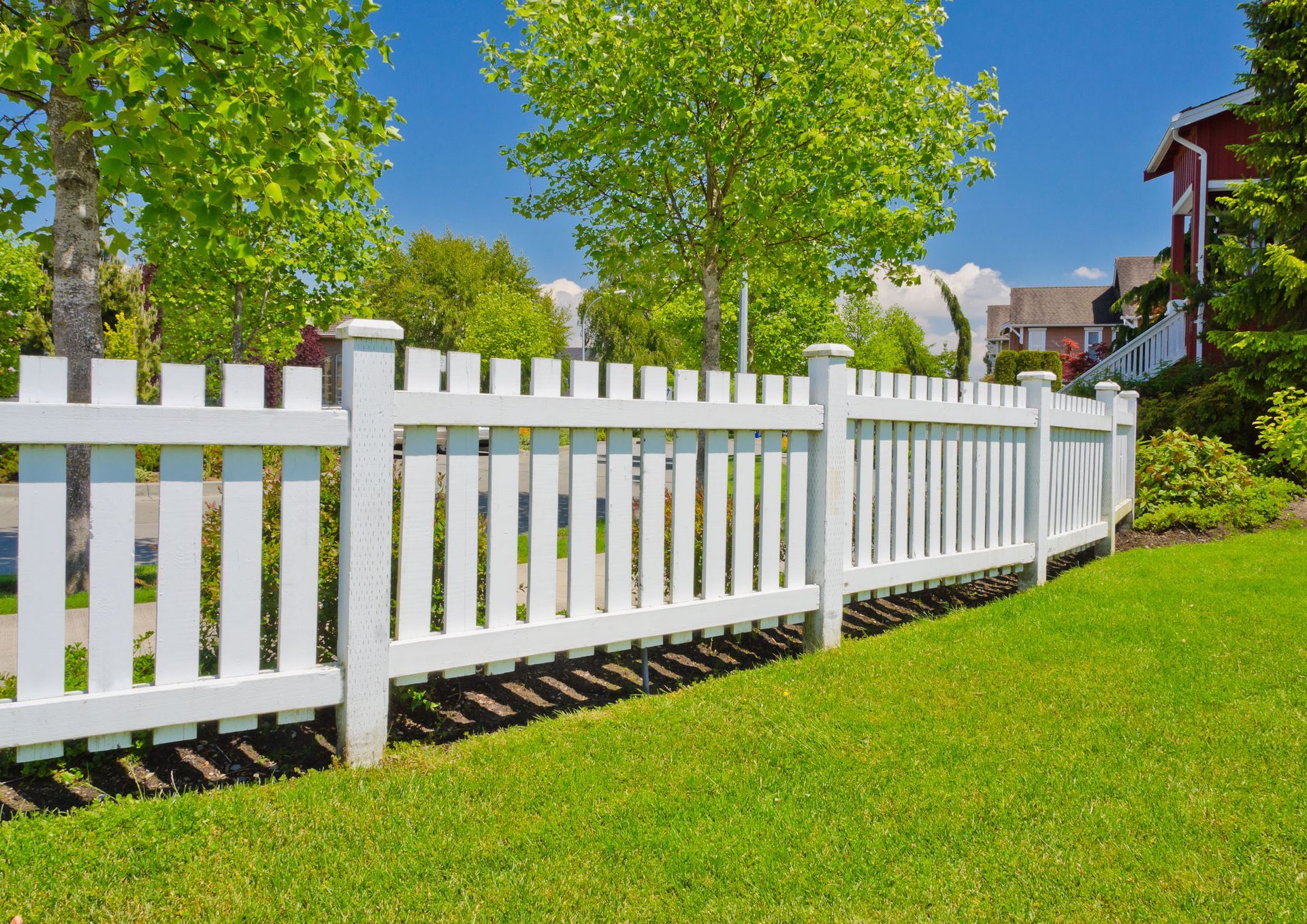
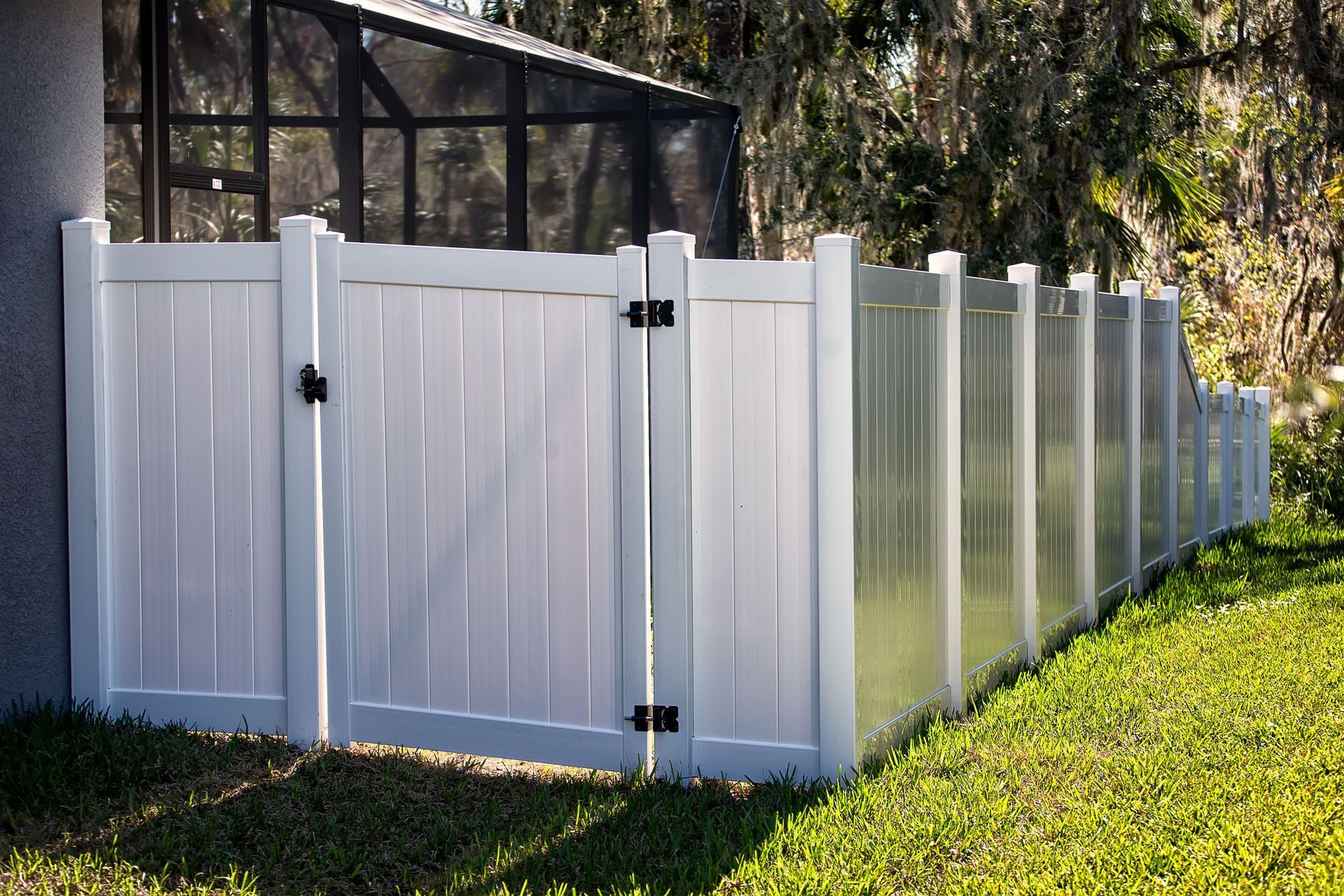
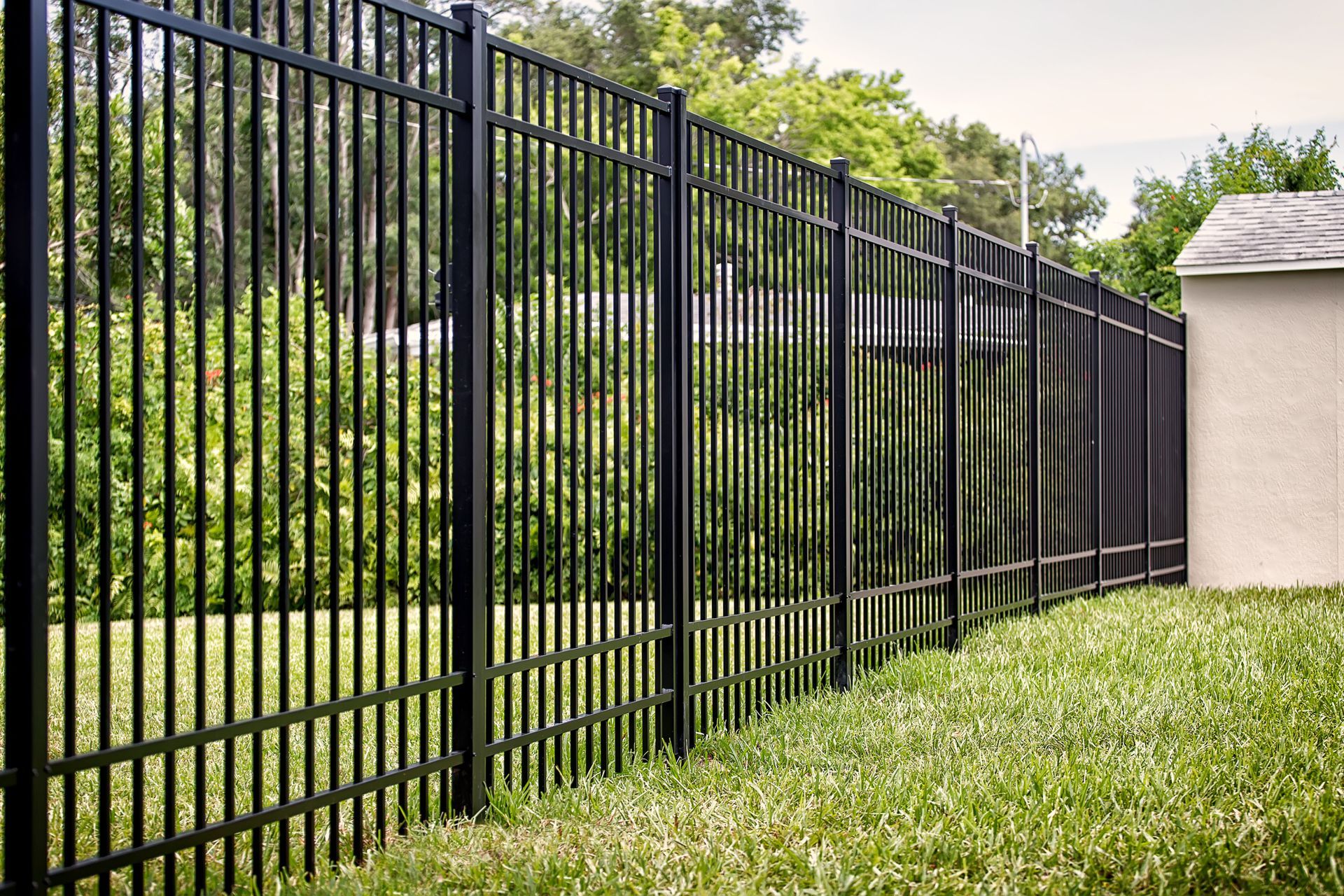
A fence can make an outdoor area feel more private by reducing direct views from nearby properties, sidewalks, and roads. Solid panels generally provide more visual screening than open designs, while picket or ornamental styles can define a space without blocking the view. The right option depends on how much privacy the property owner wants and how the fence will fit with the home or building.
A tall, solid fence may be suitable along a backyard boundary, while a lower or more open style may work better near a front yard or driveway. Local fence contractors can explain the differences among available designs and help match the fence height and configuration to the property’s priorities. This approach can create a more comfortable outdoor environment while maintaining a coordinated appearance from the street.
Selecting Materials for Lasting Performance
Fence materials affect durability, appearance, cost, and the amount of maintenance a property owner should expect. Wood offers a traditional look and can suit a range of architectural styles, but it may require periodic staining, sealing, or painting. Vinyl provides a clean, consistent appearance and does not require the same repainting routine as many painted wood fences. Metal fencing can offer strength and an open sightline, while chain link can be a practical option for securing larger areas.
According to Bob Vila, one advantage of vinyl fencing is that property owners do not have to repaint it. This lower-maintenance feature may appeal to people who want a neat boundary without scheduling regular paint work. Local fence contractors can explain material trade-offs so the final selection reflects immediate priorities, the property’s purpose, and future upkeep.
Securing Pets, Children, and Outdoor Areas
Fencing can help create a more controlled outdoor area for children and pets, particularly when a yard borders a road, shared space, or neighboring property. The design should account for the size and behavior of animals, the age of children who use the yard, and potential gaps beneath or between fence sections. Gates are an important part of this plan because a secure fence is less effective if its entry points do not close properly.
A pool enclosure may be subject to specific local safety rules, while a dog run may need a fence height and spacing suited to the animal. Businesses may need controlled entry points to separate customers from equipment or restricted areas. A professional assessment can help identify practical design considerations and explain where property owners should confirm applicable safety codes before installation.
Managing Access With Gates and Entry Points
A fence should not make a property difficult to use. Gate placement affects how people enter and leave, where vehicles can pass, and how easily equipment or deliveries reach the appropriate area. A residential yard may need a walk-through gate near a path and a wider opening for lawn equipment, while a commercial site may require vehicle access for staff, suppliers, or service providers. Planning these details alongside the fence layout helps the completed enclosure function as intended.
Hinges, latches, posts, and alignment influence how reliably a gate opens, closes, and stays in position. Contractors can consider traffic patterns and access requirements when planning an installation, helping the fence provide a defined perimeter without interfering with routine activity.
Addressing Terrain and Installation Challenges
Not every property has level ground or a straightforward layout. Slopes, retaining walls, trees, landscaping, drainage paths, and existing structures can all affect fence placement. A fence installed without accounting for these features may leave uneven gaps, create awkward transitions, or interfere with water movement.
Posts must be placed and secured appropriately, panels need consistent alignment, and gates must be fitted to work with the surrounding structure. Soil conditions and local weather can also affect the installation approach. Local fence contractors can evaluate the site and plan a layout that addresses its specific challenges rather than relying on a one-size-fits-all design.
Maintaining Appearance and Long-Term Value
A fence is a visible part of a property, so its condition can affect the overall impression the space creates. A coordinated style and suitable color can complement the building, landscaping, and other outdoor features. Damaged panels, leaning posts, rust, or a gate that no longer closes can make a property look neglected and may reduce the fence’s effectiveness.
A less expensive material may involve more frequent maintenance, while a higher upfront investment may reduce certain upkeep tasks over time. Property owners should consider the expected maintenance schedule, durability, and how well the fence meets their current needs. Local fence contractors can help compare these factors and outline the scope of installation or repair work before a decision is made.
Planning a Fence That Fits the Property
A successful fencing project begins with clear priorities. Property owners should consider whether they need privacy, controlled access, pet containment, a more defined boundary, or a combination of goals. The property’s layout, surrounding buildings, budget, and maintenance preferences also affect the final choice. Comparing those needs before selecting a design makes it easier to choose a fence that serves a practical purpose and fits the setting.
It is also useful to discuss project details before work is scheduled, including materials, dimensions, gate locations, expected timing, and the work included in the estimate. Permit requirements and property-line questions should be addressed with the appropriate local authorities or qualified professionals. Local fence contractors can help property owners review these considerations before finalizing the project, making it easier to select a suitable solution.
Quality Fence can help property owners work with
local fence contractors to consider fencing options that align with their goals for privacy, security, access, and appearance. A fence project is an opportunity to create clearer boundaries while improving how outdoor or commercial spaces function every day. By discussing the property’s layout, preferred materials, and intended use, you can make a more informed decision about the type of enclosure that fits your needs. Contact Quality Fence to discuss your project and determine the next steps toward a fence designed for your property.