By BJ Ross
November 3, 2026
Protecting physical assets remains a priority for modern enterprises. A secure perimeter serves as the primary defense against external threats. Organizations invest massive resources into digital network protection, yet physical boundaries hold equal importance. Installing commercial fencing establishes a robust barrier around facilities and outdoor yards. This boundary discourages intruders and keeps inventory safe from theft. Companies must evaluate physical vulnerabilities and address them to maintain a safe working environment.
Effective security systems require multiple layers of defense to function. A physical barrier provides the foundation for these protective layers. Without a solid perimeter, surveillance cameras and motion alarms offer limited protection. Trespassers bypass open properties with ease and escape before law enforcement arrives. Securing the exterior grounds ensures safety for staff members and expensive inventory. The right physical barrier transforms a vulnerable location into a fortified compound impervious to casual intrusion.
1. Restricting Unauthorized Perimeter Access
An open property invites unwanted visitors and threats. Trespassers look for easy entry points to exploit during nighttime hours. When a facility lacks boundaries, outsiders walk onto the premises undetected. This exposure puts machinery, fleet vehicles, and raw materials at constant risk. Establishing a definitive border sends a clear message that the property belongs to the organization. Visible boundaries discourage casual trespassers from exploring the area and stealing equipment.
Strong gates and locked barrier panels reinforce this message. Strategic commercial fencing funnels incoming traffic toward designated checkpoints. Security personnel monitor these checkpoints to verify visitor credentials and employee badges. Guards stop unauthorized individuals before they reach sensitive manufacturing areas. This control mechanism prevents theft and reduces corporate liability. Managing ingress points streamlines logistical operations while maintaining a secure environment for everyone on site.
A solid barrier keeps stray animals away from heavy machinery. Wildlife causes significant damage to external equipment, power lines, and parked vehicles. Eliminating these unpredictable variables saves companies money on mechanical repairs. A controlled environment reduces workplace accidents involving local fauna and startled workers. Maintaining a sterile perimeter ensures business operations continue without natural interruptions. Safe grounds protect both the internal workforce and local wildlife.
Physical barriers delay determined intruders from reaching main buildings. If criminals attempt to breach the perimeter, a tall fence slows their progress. This delay provides security teams ample time to respond. Cameras capture the intrusion attempt while the physical barrier hinders the criminals. The combination of structural barriers and electronic surveillance creates a formidable defense mechanism. Time represents a critical factor in stopping property crimes before they escalate.
2. Deterring Potential Property Vandalism
Vandalism costs enterprises significant capital each fiscal year. Graffiti, broken windows, and damaged exterior equipment ruin the aesthetic appeal of a facility. Repairing this malicious damage drains maintenance budgets and halts productivity. Criminals prefer easy targets with minimal visibility and zero physical hurdles. An unsecured parking lot attracts vandals looking for a blank canvas or a thrill. Protecting the building facade preserves the corporate image and maintains neighborhood appeal.
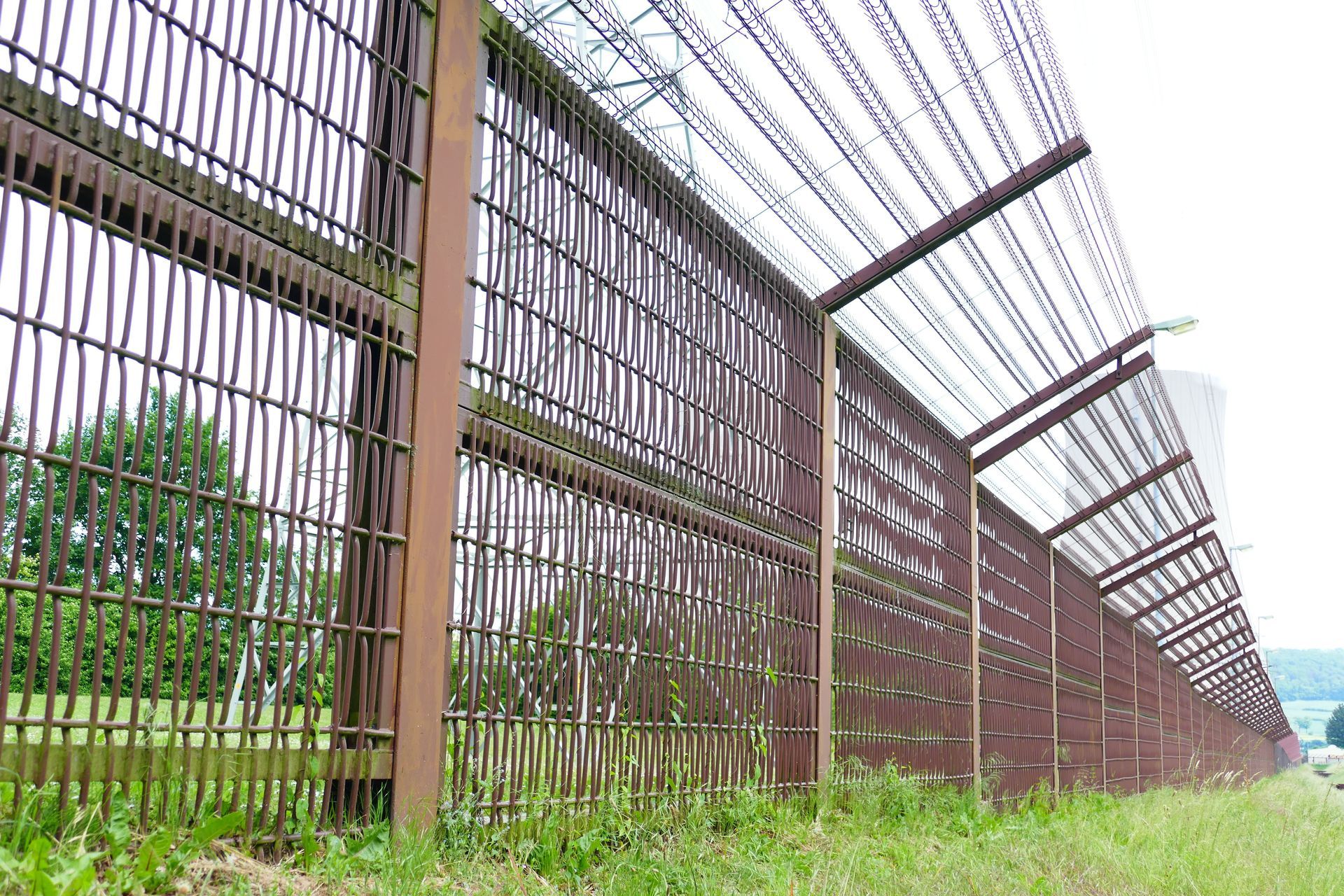
Tall fences make criminals reconsider their illicit plans. Scaling a towering steel barrier requires effort, climbing tools, and determination. Vandals avoid locations that demand strenuous physical exertion or create noise. They seek out unguarded properties with zero resistance instead of fortified compounds. Adding anti-climb features further reduces the likelihood of a successful perimeter breach. The mere presence of a formidable fence deters opportunistic criminals from attempting entry.
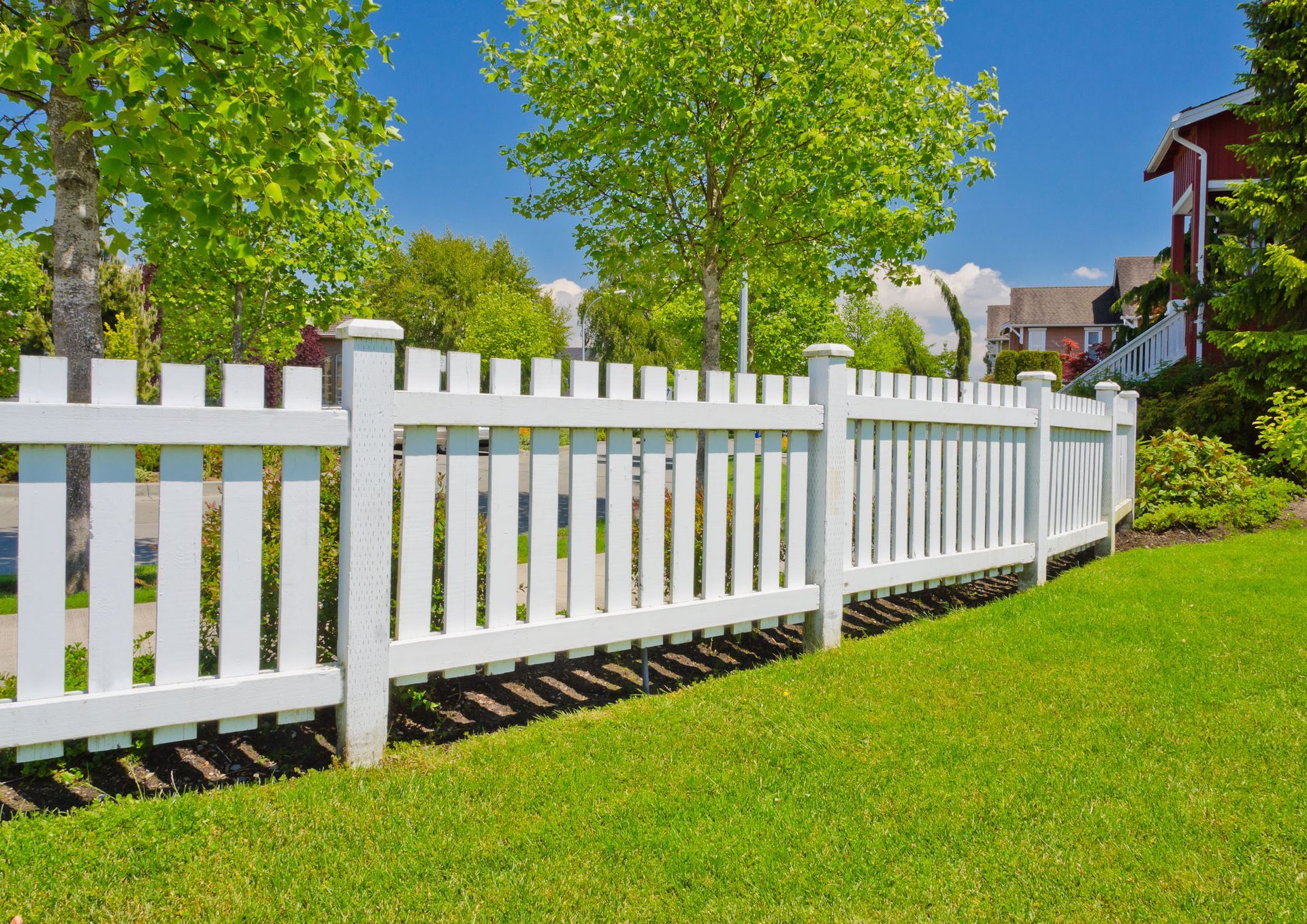
Material selection plays a role in this visual deterrence. Businesses often prefer natural materials for aesthetic reasons and neighborhood compliance. According to Bob Vila, the lifespan of a wood fence is about 15 years. However, metal alternatives like steel or aluminum offer greater resistance to tampering and blunt force. Choosing robust materials for commercial fencing ensures long-lasting protection against physical attacks. Durability translates into sustained security over decades of continuous use.
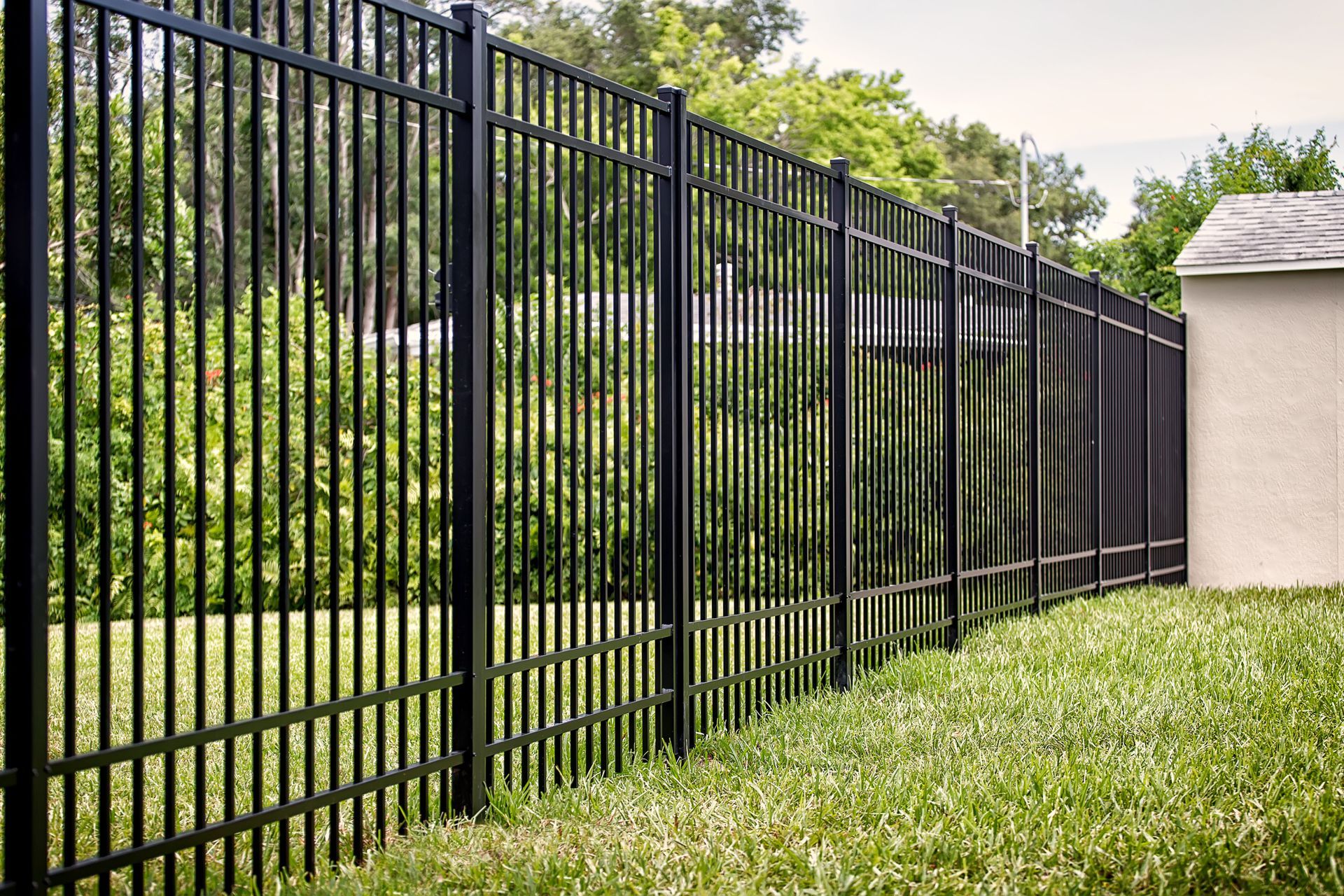
Clear lines of sight also aid in criminal deterrence. Certain barrier styles feature open panels that allow visibility from the street. Passersby and mobile security patrols can see through the structure to monitor the grounds. Vandals cannot hide behind these open designs while attempting to cut locks. Eliminating hiding spots removes the cloak of darkness criminals rely upon. Visibility combined with a physical barrier minimizes vandalism risks.
3. Enhancing Overall Site Privacy
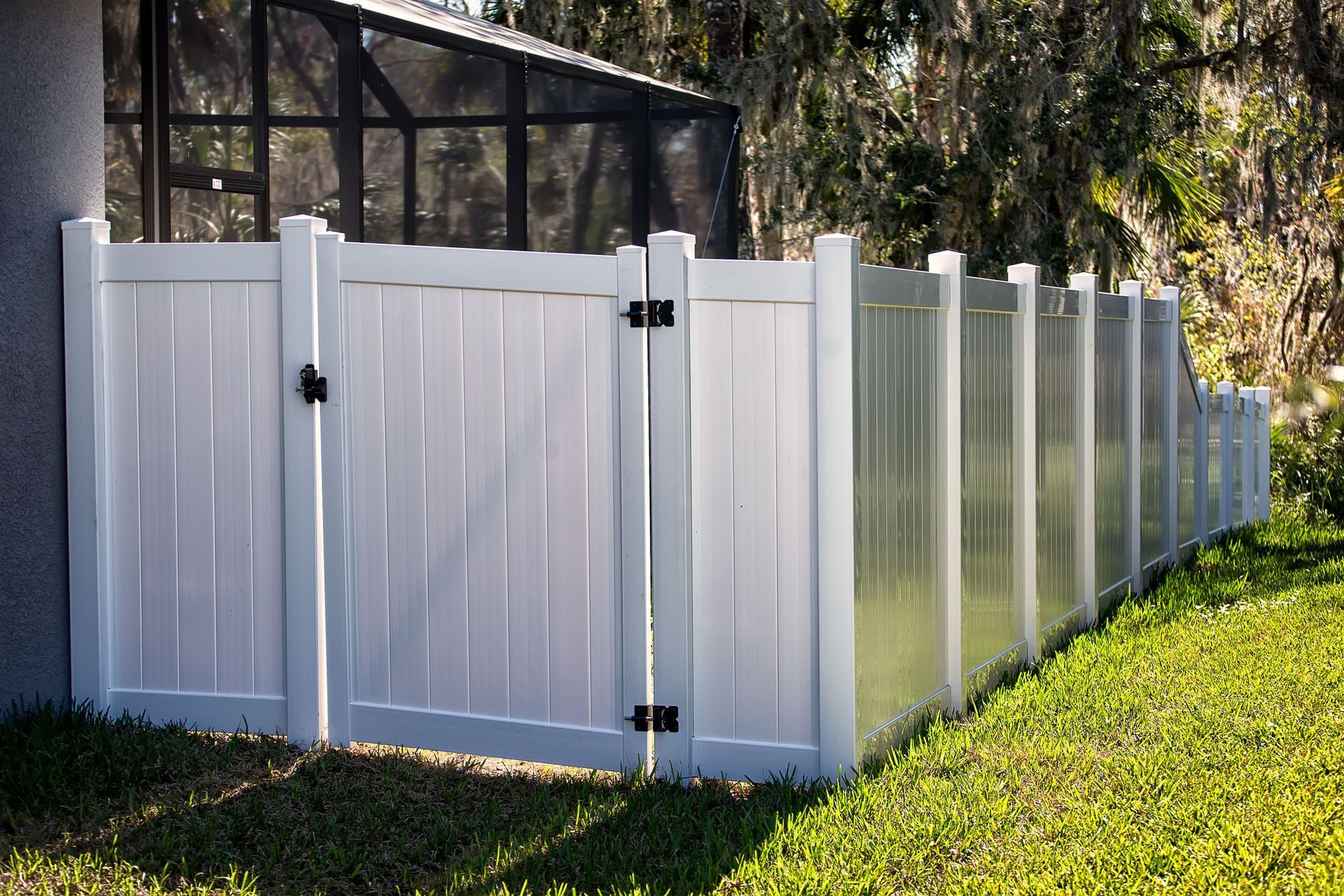
Privacy serves as a crucial component of modern corporate security. Competitors and criminals observe exterior operations to gather intelligence. Spies note shipping schedules, inventory deliveries, and employee shift changes from public spaces. Shielding these activities from public view prevents information leaks. Solid commercial fencing blocks prying eyes from monitoring daily routines. Concealment protects trade secrets and operational logistics from external scrutiny and unwanted surveillance.
Research facilities and manufacturing plants benefit from visual blockades. These institutions handle proprietary technology, unreleased products, and sensitive design blueprints. Preventing outsiders from viewing these assets maintains a competitive edge in the market. A solid boundary ensures that ground-level observations remain impossible for pedestrians. Corporations maintain their mystery and protect their intellectual property investments. Visual barriers form a critical part of corporate espionage defense systems.
Privacy structures protect the workforce from outside harassment. Employees feel more comfortable working in a secluded environment free from public stares. Staff members enjoy outdoor breaks without public observation or disruption. This isolation fosters a productive and relaxed atmosphere for the entire team. A protected environment shields workers from unwanted outside distractions. Complete peace of mind contributes to higher employee retention and overall job satisfaction.
Certain industries require strict confidentiality mandated by federal law. Healthcare clinics and legal firms handle sensitive client data and private records. Shielding exterior offices and document disposal areas ensures compliance with privacy regulations. A physical blockade prevents unauthorized personnel from accessing discarded documents in outdoor dumpsters. Maintaining privacy through physical means supports broader regulatory compliance efforts. Corporations avoid hefty fines by prioritizing perimeter privacy alongside digital security.
4. Controlling Internal Traffic Flow
Security extends beyond the main external perimeter. Large logistical facilities face internal structural challenges every day. Delivery trucks, passenger vehicles, and heavy forklifts share the same confined operational space. Mixing pedestrian foot traffic with heavy industrial vehicles creates immense safety hazards. Uncontrolled movement leads to vehicular accidents, workplace injuries, and damaged property. Organizing this chaos requires structured internal pathways and strict restricted zones throughout the yard.
Internal structural barriers separate different types of facility traffic. Dedicated transit lanes for heavy shipping vehicles prevent them from entering employee parking areas. Protected pedestrian walkways keep office staff away from dangerous loading docks. Segmenting the commercial property minimizes vehicular collisions and streamlines daily logistics. Efficient internal movement reduces shipping delays and optimizes overall workplace productivity. A well-organized yard operates smoothly under heavy volume without compromising worker safety.
Restricting access to specific zones adds another layer of internal protection. High-value inventory requires additional isolation from general staff members. Enclosing these sensitive storage areas ensures only authorized personnel handle premium goods. Internal partitions limit employee theft and prevent accidental product damage. Compartmentalizing the facility creates secure isolated pockets within the main property boundaries. Layered defense strategies rely on these internal structural divisions to maintain strict asset control.
Clear signage combined with internal commercial fencing directs visitors. Guests navigate large complexes without wandering into dangerous manufacturing zones. Physical guides eliminate confusion and keep visitors on the correct path toward reception areas. Managing visitor movement prevents accidental exposure to sensitive operations and dangerous machinery. Directed traffic ensures everyone reaches their destination without compromising site safety. Structural guides maintain order across sprawling corporate campuses and industrial parks.
Safeguarding physical assets requires a proactive approach from facility managers. Organizations cannot depend on surveillance cameras and digital alarms to prevent intrusion. A tangible barrier establishes a definitive boundary that commands respect from potential trespassers. Investing in commercial fencing yields long-term benefits for corporate safety and operational efficiency. The right structure deters criminals, protects sensitive data, and organizes internal logistics. Comprehensive corporate protection begins right at the property line. Contact us at Quality Fence to protect your facility. We build and install reliable commercial fencing tailored to your specific business needs.